

Efficient Solutions for Commercial Kitchens: Turnkey Kitchen Design Tips

Running a commercial kitchen demands efficiency, precision, and smart planning. Every inch of space, every piece of equipment, and every workflow step must work in harmony. I’ve learned that adopting turnkey kitchen design tips can transform a chaotic kitchen into a well-oiled machine. This post breaks down practical strategies to boost productivity, reduce waste, and optimize your kitchen’s performance.
Turnkey Kitchen Design Tips for Maximum Efficiency
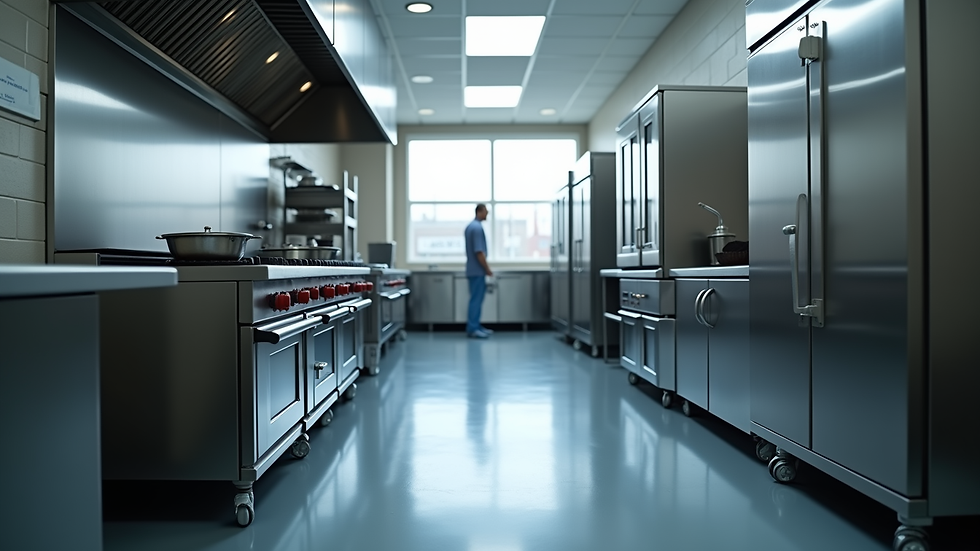
Start with a clear layout. The kitchen’s design should support the natural flow of food preparation, cooking, and service. Avoid cluttered spaces and unnecessary movement. Plan zones for prep, cooking, plating, and cleaning. Each zone needs the right tools and equipment within arm’s reach.
Use durable, easy-to-clean surfaces. Stainless steel counters and shelves withstand heavy use and simplify hygiene. Install proper ventilation to maintain air quality and temperature. This keeps staff comfortable and equipment running smoothly.
Lighting matters. Bright, even lighting reduces mistakes and speeds up work. Use LED fixtures for energy efficiency and long life. Position lights to avoid shadows on work surfaces.
Invest in modular equipment. Modular units allow flexibility and easy upgrades. You can rearrange or expand your kitchen without major renovations. This adaptability saves time and money in the long run.

Streamline Workflow with Smart Equipment Choices
Choose equipment that matches your menu and volume. Oversized machines waste energy and space. Undersized ones slow down service. Balance capacity with demand.
Look for multi-functional appliances. Combi ovens, for example, combine convection and steam cooking. They reduce the need for multiple devices and speed up meal prep.
Automate repetitive tasks where possible. Automatic dishwashers, slicers, and mixers save labor and improve consistency. Train staff to use these tools effectively.
Maintain equipment regularly. Prevent breakdowns with scheduled cleaning and servicing. A well-maintained kitchen runs smoothly and avoids costly downtime.
Use energy-efficient appliances. They lower utility bills and reduce environmental impact. Check for certifications like BEE star ratings to identify efficient models.
Optimize Storage and Inventory Management
Storage is often overlooked but critical. Design storage areas for easy access and clear organization. Use labeled shelves, bins, and racks to keep ingredients and supplies orderly.
Implement a first-in, first-out (FIFO) system. Rotate stock to minimize spoilage and waste. Train staff to follow this method strictly.
Use digital inventory management tools. They track stock levels in real-time and alert you when to reorder. This prevents overstocking and shortages.
Keep dry, cold, and frozen storage separate. Each requires specific conditions to maintain food safety and quality.

Enhance Safety and Hygiene Standards
Safety and hygiene are non-negotiable. Design your kitchen to minimize hazards. Use slip-resistant flooring and install proper drainage.
Place handwashing stations strategically. Staff should access them easily without disrupting workflow.
Use color-coded cutting boards and utensils. This prevents cross-contamination between raw and cooked foods.
Train staff regularly on hygiene protocols and safety procedures. Reinforce the importance of personal protective equipment and proper food handling.
Install fire suppression systems and keep fire extinguishers accessible. Regularly check and maintain these safety devices.
Boost Productivity with Staff-Friendly Design
A kitchen designed for staff comfort improves morale and efficiency. Provide adequate space for movement to avoid collisions and accidents.
Use ergonomic workstations. Adjustable-height counters and anti-fatigue mats reduce strain during long shifts.
Create clear communication channels. Use visual cues like whiteboards or digital displays to share orders and updates.
Schedule regular breaks and provide a clean, quiet rest area. Well-rested staff perform better and make fewer errors.
Final Thoughts on Efficient Commercial Kitchen Solutions
Efficiency in a commercial kitchen is not just about speed. It’s about smart design, the right equipment, and well-trained staff working together seamlessly. Implementing these turnkey kitchen design tips will help you build a kitchen that meets high standards and adapts to changing needs.
For comprehensive commercial kitchen solutions, focus on quality, flexibility, and sustainability. These elements will set your kitchen apart and support your business growth.
Invest in your kitchen’s future today. The right choices now save time, money, and stress tomorrow.


Comments