

Efficient Commercial Kitchen Setup Planning

Setting up a commercial kitchen demands precision, efficiency, and foresight. Every inch of space, every piece of equipment, and every workflow step must align perfectly. I focus on practical solutions that streamline operations, reduce waste, and boost productivity. This guide covers essential aspects of commercial kitchen setup planning to help you build a kitchen that works hard and smart.
Commercial Kitchen Setup Planning: Key Considerations
Start with a clear plan. Understand your kitchen’s purpose, menu, and expected volume. These factors shape your layout, equipment choices, and staffing needs.
Space Utilization: Maximize every square foot. Use vertical storage and modular equipment to save floor space.
Workflow Design: Arrange stations logically. Prep areas should flow into cooking zones, which then lead to plating and service.
Compliance and Safety: Follow local health and safety regulations strictly. Ensure proper ventilation, fire safety, and sanitation facilities.
Energy Efficiency: Choose energy-saving appliances. This reduces operating costs and environmental impact.
Plan for flexibility. Your kitchen should adapt to menu changes and peak hours without bottlenecks. Use mobile prep tables and adjustable shelving to keep options open.

Selecting the Right Equipment for Your Kitchen
Equipment choice defines your kitchen’s efficiency. Invest in reliable, high-performance tools that match your menu and volume.
Cooking Equipment: Opt for versatile ranges, ovens, and fryers. Consider induction cooktops for faster heating and energy savings.
Refrigeration: Use energy-efficient refrigerators and freezers. Place them near prep areas to minimize movement.
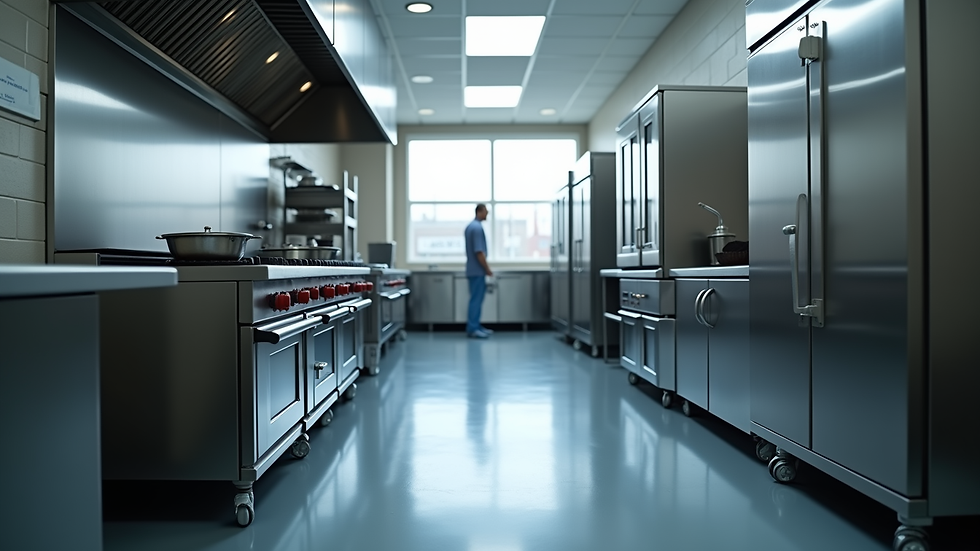
Storage Solutions: Install stainless steel racks and cabinets. They are durable, easy to clean, and resistant to corrosion.
Dishwashing Systems: Choose high-capacity, fast-cycle dishwashers to keep up with service demands.
Prioritize equipment that offers easy maintenance and quick repairs. Downtime can cripple your kitchen’s output.
Streamlining Workflow and Staff Efficiency
A well-planned kitchen layout improves staff productivity and reduces errors. Design stations to minimize unnecessary movement.
Station Zoning: Separate cold prep, hot cooking, and plating areas clearly.
Clear Pathways: Keep aisles wide enough for safe, quick movement.
Ergonomic Design: Position equipment and tools within easy reach to reduce strain.
Communication Systems: Use clear signage and intercoms to coordinate during busy hours.
Train your team on the layout and workflow. Efficient communication and role clarity boost overall performance.

Integrating Technology in Commercial Kitchens
Technology enhances control and efficiency. Use digital tools to monitor inventory, orders, and equipment status.
Inventory Management Software: Track stock levels in real-time to avoid shortages or overstocking.
Order Management Systems: Streamline order flow from front-of-house to kitchen.
Smart Appliances: Invest in ovens and refrigerators with IoT capabilities for remote monitoring and diagnostics.
Energy Management: Use sensors and timers to optimize energy use during off-peak hours.
Technology reduces manual errors and saves time, allowing your team to focus on food quality and service.
Optimizing Hygiene and Maintenance Practices
Cleanliness is non-negotiable. Design your kitchen for easy cleaning and regular maintenance.
Material Choices: Use non-porous, easy-to-clean surfaces like stainless steel and ceramic tiles.
Waste Management: Implement segregated bins for organic, recyclable, and hazardous waste.
Regular Maintenance Schedule: Set up routine checks for equipment and ventilation systems.
Staff Training: Educate your team on hygiene protocols and cleaning procedures.
A clean kitchen prevents contamination, extends equipment life, and ensures compliance with health standards.
Final Thoughts on Commercial Kitchen Setup Planning
Efficient commercial kitchen setup planning is a game-changer. It cuts costs, improves service speed, and enhances food quality. Focus on smart layout design, the right equipment, streamlined workflows, and hygiene. Leverage technology to stay ahead and maintain control.
For comprehensive commercial kitchen solutions, choose partners who understand your needs and offer end-to-end support. Your kitchen is the heart of your business - set it up to perform at its best every day.


Comments