

Comprehensive Guide to Professional Kitchen Solutions

Setting up a commercial kitchen demands precision, efficiency, and the right equipment. Every detail matters, from layout to appliances, to ensure smooth operations and high-quality output. I will walk you through the essentials of professional kitchen solutions, focusing on practical advice and actionable steps to optimize your kitchen space.
Designing Your Professional Kitchen Solutions
Start with a clear plan. The kitchen layout impacts workflow, safety, and productivity. Choose a design that suits your menu and volume. Common layouts include:
Assembly line: Ideal for fast food or high-volume kitchens.
Island: Central workspace with surrounding stations.
Zone-style: Separate areas for prep, cooking, and plating.
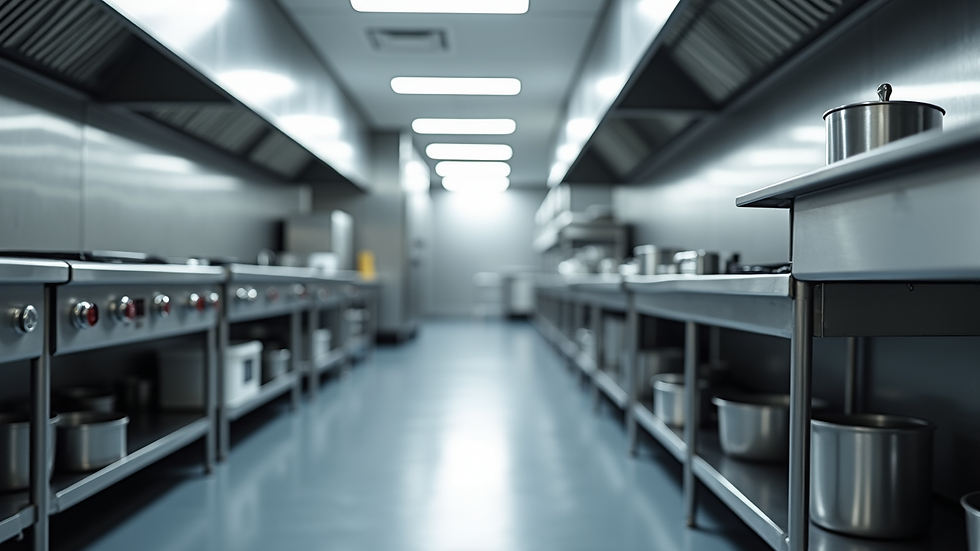
Consider the flow of ingredients from delivery to storage, preparation, cooking, and service. Minimise cross-traffic to avoid bottlenecks. Use durable, easy-to-clean surfaces like stainless steel for counters and shelves.
Plan for adequate ventilation and lighting. Proper airflow removes heat and fumes, while bright lighting improves safety and accuracy. Don’t forget to allocate space for waste disposal and cleaning stations.
Essential Equipment for Professional Kitchen Solutions
Equip your kitchen with reliable, high-performance tools. Prioritise appliances that match your menu and volume. Key equipment includes:
Cooking appliances: Ovens, ranges, fryers, grills, and steamers.
Refrigeration units: Walk-in coolers, under-counter fridges, and freezers.
Food prep tools: Mixers, slicers, food processors, and blenders.
Storage solutions: Shelving, racks, and containers.
Dishwashing systems: High-capacity dishwashers and sinks.
Choose energy-efficient models to reduce operating costs. Look for equipment with easy maintenance and quick repair options. Invest in multi-functional appliances to save space and increase versatility.
Regularly inspect and maintain your equipment to avoid downtime. Train staff on proper use and cleaning procedures to extend the lifespan of your tools.
Optimising Workflow and Safety in Your Kitchen
Efficiency and safety go hand in hand. Design your kitchen to support smooth operations while protecting your team. Implement these strategies:
Clear zones: Separate raw and cooked food areas to prevent contamination.
Ergonomic stations: Position equipment and tools within easy reach.
Non-slip flooring: Reduce accident risks with appropriate floor materials.
Fire safety: Install extinguishers, suppression systems, and clear exit routes.
Staff training: Regularly update safety protocols and emergency procedures.
Use signage to mark hazardous areas and equipment instructions. Schedule routine safety audits to identify and fix potential issues.

Streamlining Procurement and Supply Management
Managing supplies efficiently saves time and money. Establish a reliable procurement process:
Identify trusted suppliers: Choose vendors with consistent quality and timely delivery.
Standardise orders: Use a fixed list of ingredients and equipment to simplify purchasing.
Track inventory: Implement digital tools to monitor stock levels and expiry dates.
Plan ahead: Order in bulk for non-perishables and schedule frequent deliveries for fresh items.
Negotiate contracts: Secure better prices and terms through long-term agreements.
Consider partnering with a comprehensive provider that offers end-to-end project solutions. This approach reduces complexity and ensures compatibility across your kitchen setup.
For example, I recommend exploring commercial kitchen solutions that combine equipment supply with project management to streamline your operations.
Maintaining Hygiene and Compliance Standards
Hygiene is non-negotiable in any professional kitchen. Follow these steps to maintain cleanliness and meet regulatory requirements:
Daily cleaning: Sanitize surfaces, equipment, and floors after each shift.
Deep cleaning: Schedule weekly or monthly intensive cleaning for hard-to-reach areas.
Pest control: Implement preventive measures and regular inspections.
Waste management: Use proper bins and disposal methods to avoid contamination.
Documentation: Keep records of cleaning schedules, inspections, and staff training.
Stay updated on local food safety laws and certifications. Regular audits help identify gaps and improve standards.
Future-Proofing Your Kitchen with Technology
Technology can boost efficiency and reduce costs. Consider integrating:
Smart appliances: Remote monitoring and automated controls.
Inventory software: Real-time tracking and predictive ordering.
Energy management systems: Monitor and optimise power usage.
Digital training tools: Interactive modules for staff education.
Investing in technology prepares your kitchen for growth and evolving industry demands.
Taking Your Kitchen to the Next Level
Implementing professional kitchen solutions transforms your workspace into a high-performance environment. Focus on:
Efficient layout and workflow.
Quality, durable equipment.
Safety and hygiene compliance.
Streamlined procurement.
Embracing technology.
These steps ensure your kitchen operates smoothly, serves quality food, and adapts to future challenges. Prioritise these areas to build a kitchen that supports your business goals and delivers consistent results.


Comments