

Complete Commercial Kitchen Solutions for Indian Businesses: Kitchen Solutions for HoReCa

Running a successful food business in India demands more than just great recipes. It requires a well-planned, efficient kitchen that supports high-volume cooking, safety, and hygiene. I understand the challenges faced by restaurants, cafes, and HoReCa businesses. That’s why I focus on delivering complete commercial kitchen solutions tailored to Indian needs.
Why Kitchen Solutions for HoReCa Matter
The hospitality industry thrives on speed, consistency, and quality. A commercial kitchen designed for HoReCa (Hotels, Restaurants, and Cafes) must handle diverse cooking styles, large orders, and strict health standards. Here’s why investing in the right kitchen solutions is crucial:
Efficiency: Streamlined workflows reduce cooking time and labour costs.
Durability: Equipment built to withstand heavy use saves money on repairs.
Safety: Proper ventilation, fire safety, and hygiene prevent accidents and contamination.
Compliance: Meeting local food safety regulations avoids legal issues.
For example, a multi-cuisine restaurant in Mumbai needs modular kitchen stations that allow chefs to switch between Indian, Chinese, and continental dishes without cross-contamination. This flexibility boosts productivity and customer satisfaction.

Essential Components of Commercial Kitchen Solutions
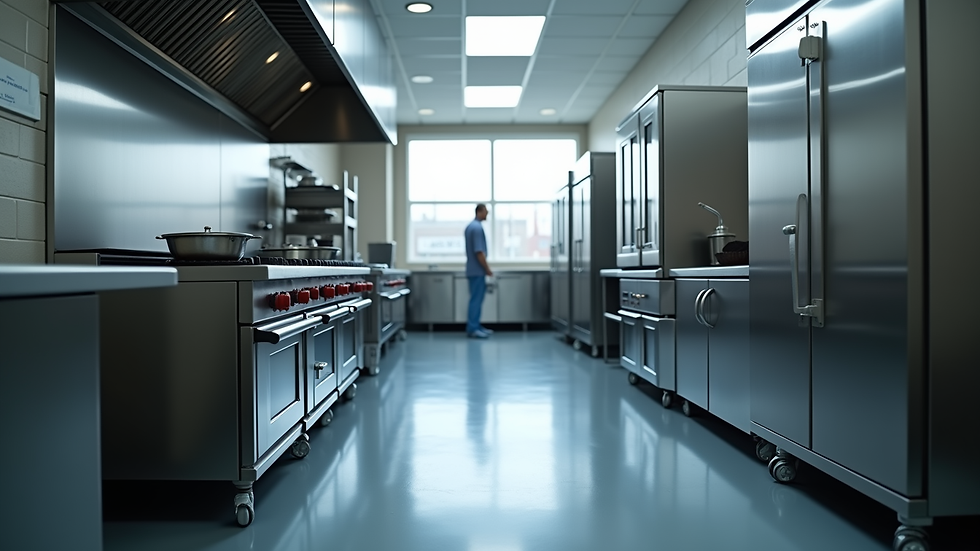
A commercial kitchen is more than just stoves and ovens. It’s a complex system of equipment and design elements working together. Here’s what every Indian food business should consider:
1. Cooking Equipment
Choose energy-efficient, high-capacity appliances. Options include:
Gas ranges with multiple burners for Indian cooking.
Convection ovens for baking and roasting.
Tandoors and griddles for authentic regional dishes.
Induction cooktops for quick heating and safety.
2. Refrigeration and Storage
Proper cold storage preserves ingredients and reduces waste. Use:
Walk-in coolers for bulk storage.
Blast chillers to rapidly cool cooked food.
Dry storage racks for grains, spices, and packaged goods.
3. Ventilation and Exhaust Systems
Indian kitchens generate heavy smoke and heat. Install:
Powerful exhaust hoods to remove fumes.
Fresh air intake systems to maintain air quality.
Fire suppression systems integrated with ventilation.
4. Food Preparation Areas
Design ergonomic prep stations with:
Stainless steel counters for hygiene.
Separate zones for raw and cooked food.
Easy access to sinks and waste disposal.
5. Dishwashing and Waste Management
Efficient cleaning keeps operations smooth. Include:
High-pressure dishwashers.
Segregated waste bins for recycling and compost.
Grease traps to protect plumbing.
Designing for Indian Business Needs
Indian kitchens face unique challenges like power fluctuations, space constraints, and diverse menus. Here’s how to address them:
Power Backup: Equip kitchens with UPS or generators to avoid downtime.
Space Optimization: Use vertical storage and compact equipment for small urban kitchens.
Menu Flexibility: Modular kitchen layouts allow quick reconfiguration for seasonal menus or special events.
Local Materials: Use corrosion-resistant stainless steel suited for humid climates.
For instance, a cafe in Delhi with limited space can install stackable refrigeration units and foldable prep tables to maximize utility without compromising workflow.

How to Choose the Right Commercial Kitchen Partner
Selecting a reliable supplier is key to success. Look for partners who offer:
End-to-end solutions: From design and equipment supply to installation and maintenance.
Customization: Tailored solutions that fit your menu and kitchen size.
After-sales support: Quick service and spare parts availability.
Compliance expertise: Guidance on local food safety and fire regulations.
I recommend working with providers who understand the Indian market and can deliver high-performance products. This approach reduces risks and ensures your kitchen runs smoothly from day one.
Future-Proof Your Kitchen with Technology
Technology is transforming commercial kitchens worldwide. Indian businesses can benefit from:
Smart kitchen equipment: IoT-enabled ovens and refrigerators for remote monitoring.
Energy management systems: Track and reduce power consumption.
Automated inventory control: Minimise stockouts and overstocking.
Digital order management: Integrate kitchen display systems with POS for faster service.
Adopting these innovations improves efficiency and cuts costs. For example, a cloud-connected kitchen can alert managers about equipment malfunctions before they cause downtime.
Taking the Next Step
Investing in commercial kitchen solutions is not just about buying equipment. It’s about creating a workspace that supports your business goals. Whether you run a bustling restaurant in Bangalore or a boutique cafe in Pune, the right kitchen setup makes all the difference.
Focus on:
Planning your kitchen layout carefully.
Choosing durable, energy-efficient appliances.
Ensuring compliance with safety and hygiene standards.
Partnering with experts who offer comprehensive support.
This approach helps you deliver consistent quality, improve staff productivity, and delight your customers every day.
By prioritizing these elements, you build a kitchen that stands the test of time and scales with your business. Start your journey towards a smarter, safer, and more efficient kitchen today.


Comments